Source Anti Pilling Fine Acrylic Yarn for Knitting, Weaving, and Hand Knitting
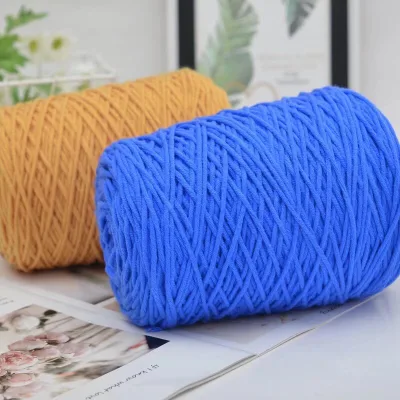
Find 30 anti pilling fine acrylic yarn options from verified suppliers. Compare features like high strength, eco-friendly composition, and customization availability for knitting, weaving, and hand knitting applications. Explore ring spun and fancy yarn structures with various counts and packaging sizes to meet your specific production needs.
Key considerations
Products List




Comprehensive Sourcing Guide
Anti Pilling Fine Acrylic Yarn Sourcing Guide
Buyers evaluating anti-pilling fine acrylic yarn must first distinguish between single-ply and multi-ply constructions, as the observed market data indicates a mix of both types available from Chinese manufacturers. While some listings specify single yarn structures suitable for specific weaving applications, others offer multi-ply options designed for enhanced durability in knitting and embroidery projects. Understanding this structural variance is critical before initiating contact, as the intended end-use dictates whether a finer, single strand or a twisted, multi-filament blend will deliver the required performance characteristics for the final textile product.
Procurement teams should also scrutinize the specific fiber composition claims, noting that while many suppliers advertise 100% acrylic, some observed listings include cotton blends or combinations of short fibers with continuous filaments. This variation directly impacts the anti-pilling efficacy and the hand feel of the finished fabric, requiring buyers to verify the exact material percentage before placing orders. Relying solely on the generic "acrylic" label without confirming the specific blend ratio can lead to inconsistencies in the final product quality, particularly when the application demands strict adherence to softness or abrasion resistance standards.
Product Scope and Observed Listing Signals
The observed product range for anti-pilling fine acrylic yarn includes distinct variations in coarseness, with listings explicitly identifying both fine and medium yarn counts to suit different manufacturing needs. Buyers will encounter specific product models such as CK473 and CK1432, which often feature customized color options and ball sizes tailored to specific knitting or sewing requirements. These signals suggest a flexible supply chain capable of accommodating diverse design specifications, yet the presence of different fiber lengths, ranging from continuous filaments to combinations of short fibers, necessitates careful selection based on the desired texture and strength of the final textile.
Commercial signals in the market reveal a wide disparity in minimum order quantities, with some suppliers accepting orders as low as 5 units while others require substantial volumes like 300 kilograms per color. This range indicates that the market serves both small-batch prototyping and large-scale industrial production, but it also highlights the importance of aligning order volume with supplier capabilities. Buyers must navigate these varying thresholds carefully, ensuring that their projected demand matches the supplier's stated MOQ to avoid unnecessary costs or production delays associated with unmet volume requirements.
Technical Specifications to Verify
Verification of yarn count is a primary technical requirement, as the market data shows specific designations like Nm1/1.6 and 9nm/3 that define the thickness and density of the fiber. Buyers must confirm that the ordered yarn count matches the technical requirements of their knitting or weaving machinery, as discrepancies can lead to production stoppages or inconsistent fabric gauge. Additionally, the distinction between ring-spun techniques and other manufacturing methods should be validated, since the ring-spun structure is explicitly linked to specific strength and texture profiles that are essential for high-quality finished goods.
The physical packaging and standard weight per unit are equally critical verification points, with observed standards ranging from 50 grams per ball to 100 grams per package in various configurations. Buyers should ensure that the packaging format, such as OPP bags or cartons containing ten bags, aligns with their internal logistics and storage capabilities to prevent damage during transit. Furthermore, the fiber length specification, whether continuous filament or a combination of short fibers, must be confirmed to guarantee the yarn meets the specific performance criteria for anti-pilling and high-temperature resistance required by the end application.
Compliance and Safety Documentation
While the supplied data does not explicitly confirm specific certification statuses like OEKO-TEX or GOTS, buyers must treat these as essential verification steps rather than assumed attributes. The presence of eco-friendly features in product descriptions suggests a potential alignment with environmental standards, but this claim requires independent validation through official test reports before any procurement commitment is made. Relying on marketing terms without documented proof can expose the buyer to reputational risks, especially if the final textile products are destined for markets with strict chemical safety regulations.
Safety documentation should also address the specific performance claims regarding high-temperature resistance and anti-static properties, which are listed as key features of the observed products. Buyers need to request detailed test results that substantiate these claims, ensuring the yarn can withstand the thermal conditions of the manufacturing process without degrading or losing its structural integrity. Without concrete evidence from accredited laboratories, these performance attributes remain unverified observations that cannot be guaranteed to meet the rigorous safety and quality standards required for commercial textile production.
Cost Drivers and Commercial Terms
The pricing structure for anti-pilling fine acrylic yarn is influenced heavily by the complexity of customization, including specific color matching and unique packaging requirements. Buyers should anticipate that customized colors and specialized ball sizes may incur higher costs compared to standard offerings, as these adjustments require additional production setup and material handling. The observed price range of 0.24 to 25 USD per unit reflects this variability, indicating that cost is not uniform across all product types and that detailed specification alignment is necessary to secure accurate quotations.
Commercial terms regarding minimum order quantities and lead times are significant cost drivers, with some suppliers requiring orders of 300 kilograms per color while others operate with much lower thresholds. Buyers must factor these volume constraints into their total cost of ownership, as failing to meet the MOQ can result in higher per-unit costs or the need to consolidate orders with other suppliers. Additionally, the origin of the product, primarily from Jiangsu, China, implies specific logistics considerations that can impact the final landed cost, making it essential to negotiate clear terms regarding shipping and delivery schedules.
Supplier Qualification and Quality Control
Supplier qualification should begin with a thorough review of their production capabilities, specifically their ability to maintain consistent fiber length and yarn count across large batches. The observed data indicates a mix of single and multi-ply yarns, suggesting that suppliers must have versatile machinery to handle different structural requirements without compromising quality. Buyers should verify that the supplier has a robust quality control system in place to ensure that the anti-pilling and high-strength features are consistently delivered, as these attributes are critical for the longevity and performance of the final textile products.
Quality control protocols must also address the consistency of packaging and labeling, as variations in ball size or package weight can disrupt downstream manufacturing processes. Buyers should request samples that match the exact specifications of the intended order to validate the physical properties before committing to a larger purchase. This step is particularly important given the diverse range of product models and standards observed in the market, ensuring that the selected supplier can reliably meet the specific technical and commercial demands of the procurement project.
Long-Term Procurement Checks
Establishing a long-term relationship with a supplier requires ongoing monitoring of their ability to maintain consistent product standards over time. Buyers should implement a schedule for periodic quality audits to ensure that the anti-pilling and eco-friendly claims remain valid as production volumes scale up or as raw material sources change. This proactive approach helps mitigate the risk of quality drift, which can occur if a supplier prioritizes speed over consistency, potentially leading to costly defects in the final textile output.
Continuous communication regarding market trends and technological advancements is also vital for maintaining a competitive edge in the sourcing strategy. Buyers should stay informed about new developments in acrylic yarn technology, such as improved fiber blends or enhanced manufacturing techniques, to ensure their procurement choices remain relevant and effective. By maintaining a dynamic relationship with suppliers, buyers can adapt to changing market conditions and secure a reliable supply chain that supports their long-term business goals and product innovation strategies.
FAQs
What is the composition of anti pilling fine acrylic yarn?
The yarn is composed of 100% acrylic fibers. This material choice ensures the yarn remains soft and durable while providing excellent resistance to pilling during use. It is suitable for various knitting applications where a consistent texture is required.
Can this yarn be customized for specific color requirements?
Yes, customized colors are available for this product line. Buyers can request specific shades to match their design needs. The manufacturer accepts OEM orders, allowing for tailored solutions that align with particular brand identities or seasonal color palettes.
What are the primary features of this fine acrylic yarn?
Key features include anti-pilling properties, high strength, and eco-friendly manufacturing. The yarn also offers high temperature resistance and abrasion resistance. These characteristics make it ideal for durable textiles that undergo frequent washing or heavy wear in daily use.
How is the yarn packaged for shipping and storage?
The yarn is typically packaged in OPP bags or balls, with specific weights like 50 grams per ball. Larger orders may use cartons containing multiple bags. This packaging ensures the yarn remains protected and organized during transit and storage at the buyer's facility.
What is the minimum order quantity for this yarn?
The minimum order quantity varies by color and total order size. Specific requirements include 300 kilograms per color and 3000 kilograms per order. These thresholds ensure efficient production runs while accommodating bulk purchasing needs for larger textile manufacturing operations.
Which techniques are used to spin this acrylic yarn?
The yarn is produced using ring spun techniques. This method creates a smooth, strong yarn structure that is ideal for knitting and weaving. The ring spun process enhances the yarn's consistency and durability, making it suitable for high-quality fabric production.